
Alongside Dying
A Course in Community-Centred Death Care
There was a time when endings were tended and carried together. Much of that knowledge, and many of those skills, has faded from modern life, and we feel the loss of it.
Alongside Dying is a place of remembering: a return to the old human skills of being alongside death, dying, loss, and endings.
Why This Matters
I have witnessed deaths of people that were well held, shaped by a shared understanding of what was happening, and a steadiness in the face of hard things. In those moments, death was met with a kind of fierce tenderness and held within the shared life of family and community.
I have also witnessed endings pushed to the edges of life. People unsure what they were allowed to say, afraid of naming what was happening. Loved ones wanting to help but not knowing how, fearful of overstepping or getting it wrong. In these spaces, dying can become profoundly lonely.
This matters because these are cultural failures, not personal ones. Over time, much of our shared language, ritual, and communal skill around death has thinned, been lost, or slipped from view. Alongside Dying exists to support the slow remembering of these capacities, helping bring death back into the heart of our days so we can better care for our loved ones, ourselves, and our communities.
Who is this for
Some come to this course as family or friends; others as carers, celebrants, or end-of-life and death doulas seeking deeper roots. Alongside Dying is a community centred death care course held in Clanfield, Hampshire. There are no qualifications offered. This is an effort to democratise death wisdom and the practices of caring for our families and communities when dying shows up among those we live alongside.
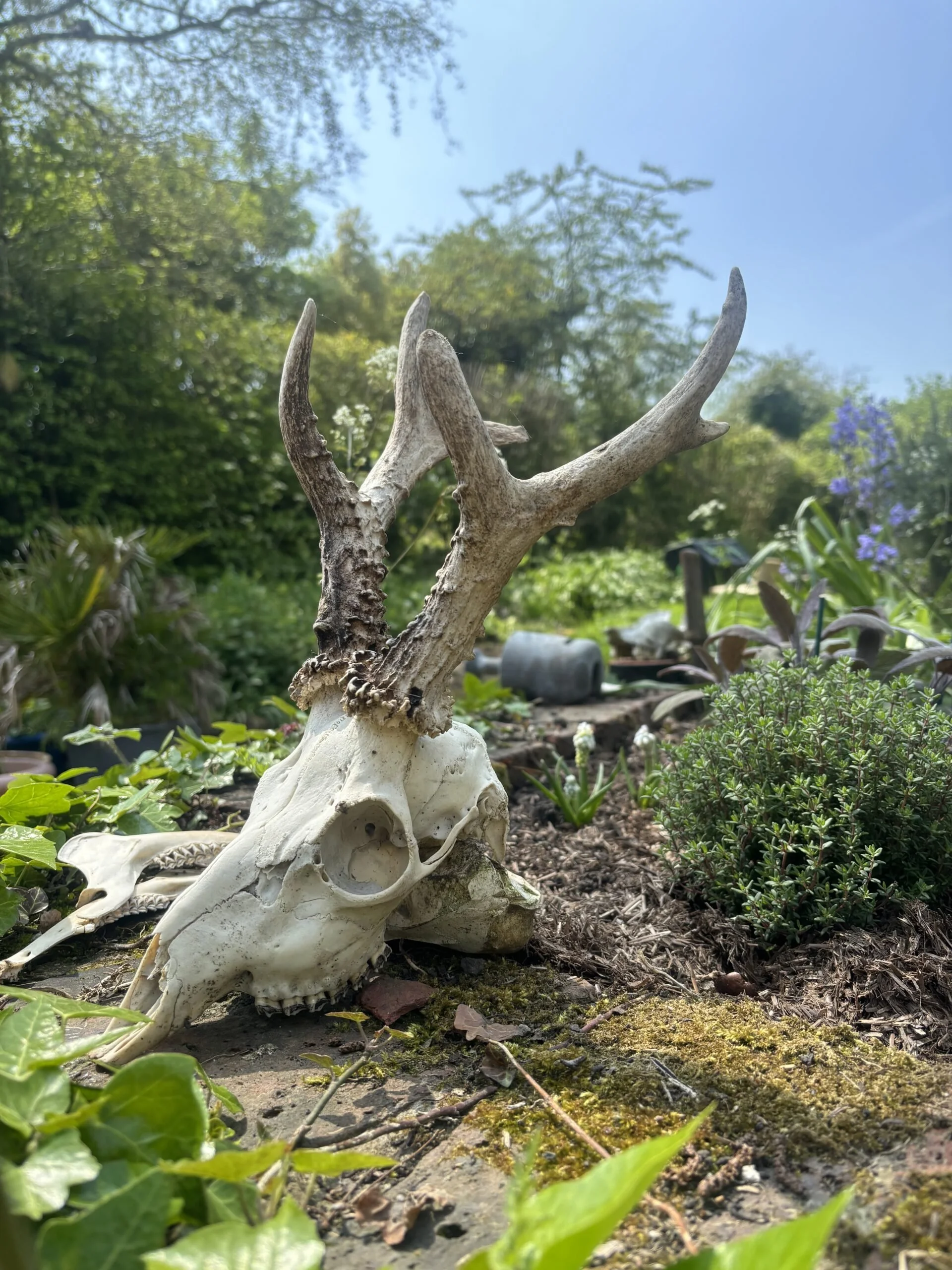

This work runs against the grain of a culture obsessed with solutions, youth, and avoiding endings. It invites us to make space for dying and grief in our lives, to remember that death feeds life and that limits are part of what makes it precious.
What We’ll Explore
Conversations that matter - Speaking about death and dying with honesty and care. Making space for grief in families and communities. Meeting taboo, silence, and discomfort with presence.

Caring for the dying - Practical ways to support someone in their dying time. The work of being alongside, physically, emotionally and mentally. Dignity, choice, and facing endings.
Grief and the things we leave behind - Grief as a skill and a teacher. The emotional life of belongings and legacy. Sorting, remembering, and letting go.
Ceremony and story - Designing meaningful funerals and working outside the system. Honouring endings through ritual and beauty-making. Tending our ancestors and remembering.
Culture, death and the times we’re in - Death phobia and euphemism in modern life. Suicide, shame, and unspoken deaths. The myth of progress and limits as the grace notes of life. Grief and praise as practices of deep living.
Each session holds practical guidance, reflection, and story, so you leave with skills and steadiness to carry into your life and community.
How We Learn
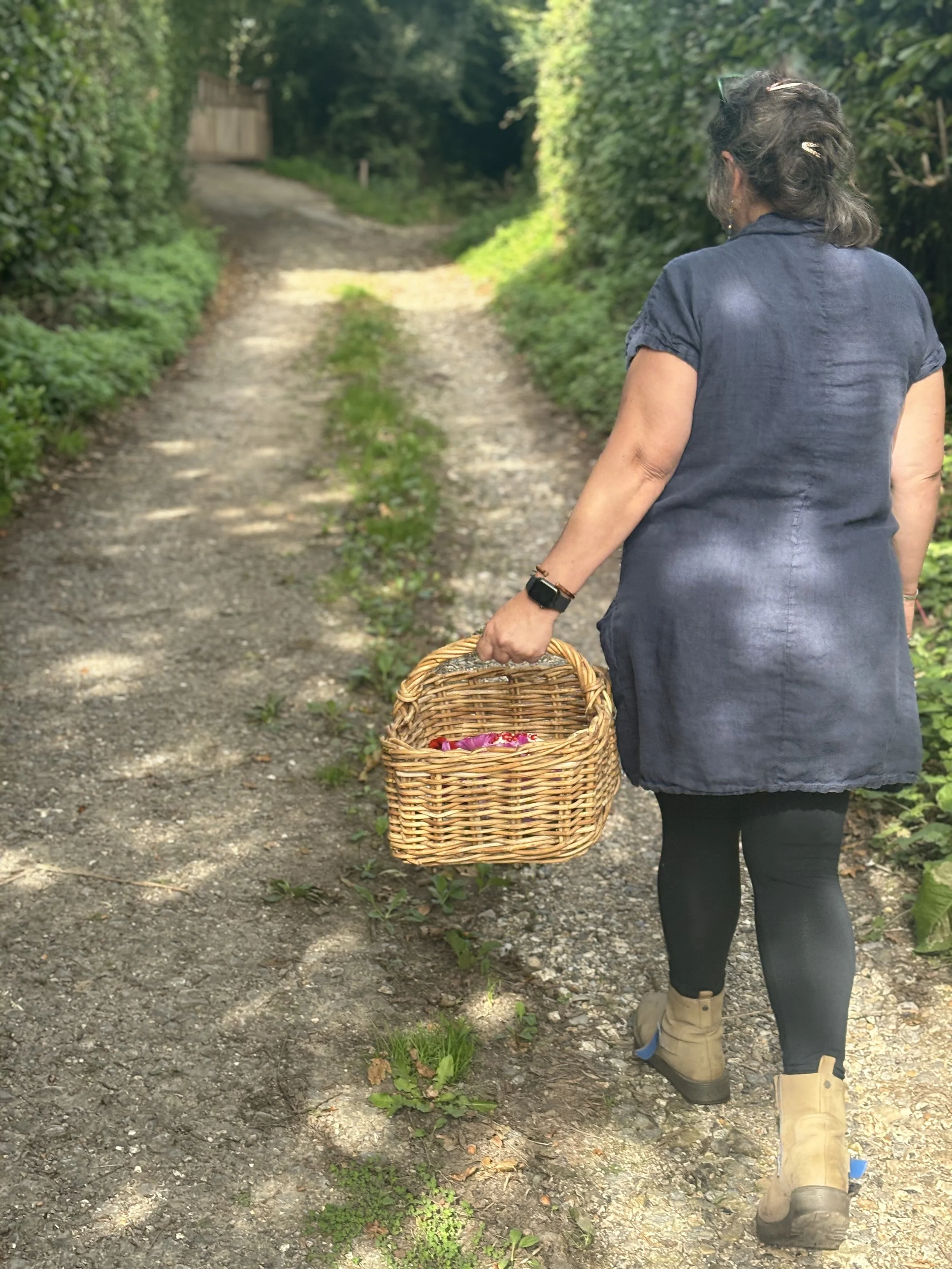
We learn slowly, in companionship: through in-person gatherings, around firelight, in the woods, in the kitchen, and online. We listen, read, craft, speak stories aloud, tend small rituals, and learn from each other and the land.
I accompany people in their dying time, and that experience shapes the way this school is held, with reverence, spaciousness, and clear-eyed tenderness.
This is not therapy or coaching. It is cultural remembering and redemption, ritual, and communal study.
Course Structure
Alongside Dying is a 6-month commitment. We meet in person, in Clanfield, Hampshire, once a month for a whole day and once a month for a two-hour zoom call.
My Approach & Lineage
This work is shaped by years of accompanying people through their dying times, crafting funerals, gathering communities, and tending grief in the woods and around the hearth. My study has been long and varied: myth, ritual, ancestral practice, woodland tending, and the teachings of elders who speak of death with courage and clarity. Nothing here is theoretical. It's all been lived and practised, and gathered here over years.
Read more about my personal journey here.
This is for you if….
you've been thinking of working with dying people or learning how to be more skilful around dying and death
you've noticed how little space there is in everyday life to talk honestly about death and endings
you're drawn to learning that is slow, relational, and rooted in lived experience
you care about how death is met in families and communities
you sense that tending death is part of being human, something we can all learn to do
you've been with someone you love as they were dying and sensed there was more you wanted to offer, but didn't know what or how
you've reached the moment when the reality of death became personal, when you realised that you and those you love will not live forever
The Exchange: Alongside Dying
Alongside Dying is a 6-month commitment. We meet in person, in Clanfield, Hampshire, once a month for a whole day and once a month for a two-hour Zoom call.
This work asks for presence, preparation, and sustained attention. Tuition is £500 for the full course, and includes all sessions, in-person and online, materials and lunches.
A Note on Accessibility
I keep a portion of my time available for those whose hearts are full but whose pockets are currently empty. If you are in a time of genuine hardship, please do not let cost be the reason you don’t reach out. We will find a way that honours us both.
You can read more about my Financial Policy here.
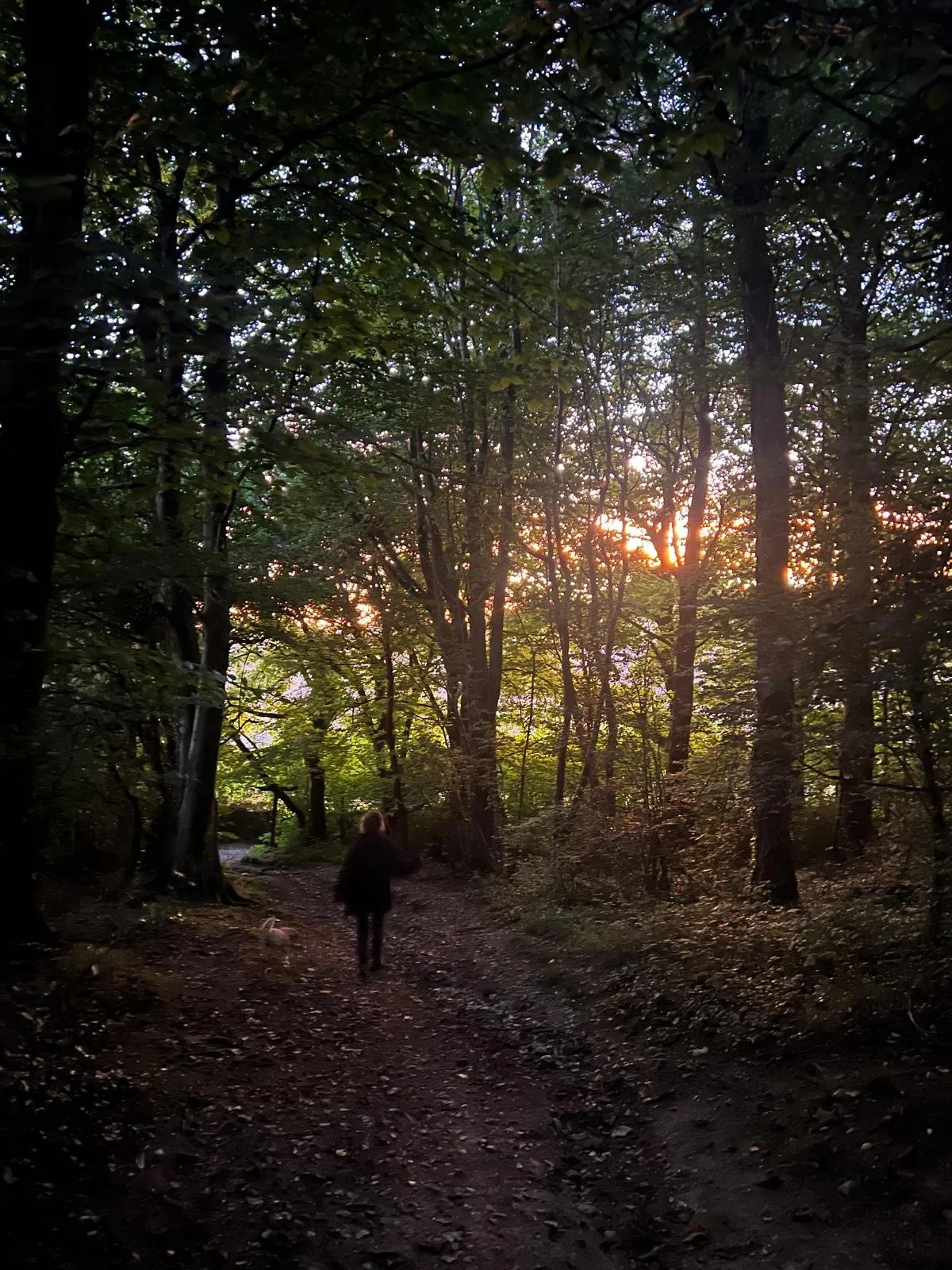
A place of remembering: a return to the old human skills of being alongside death, dying, loss, and endings.
Work With Me
-
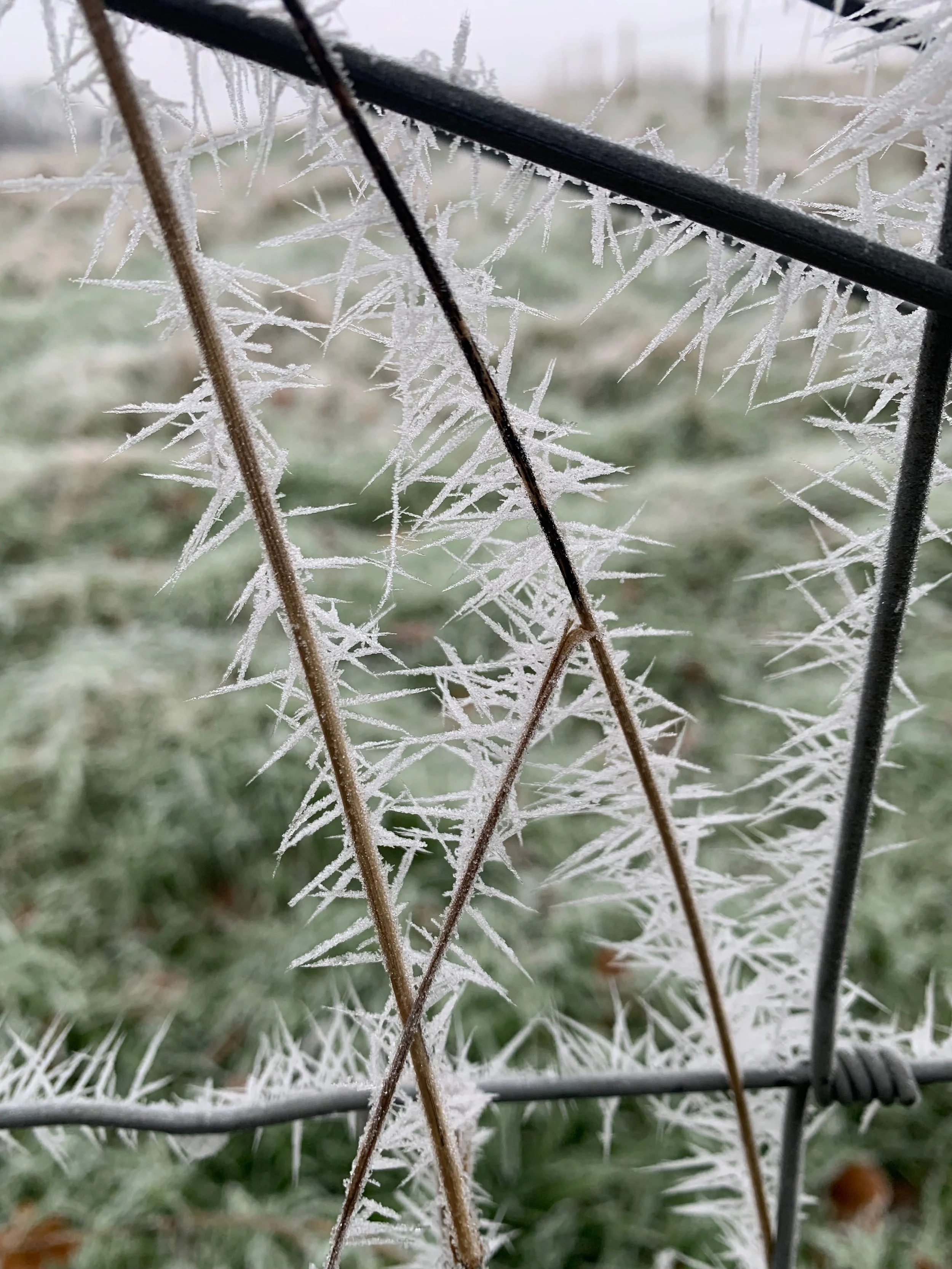
Grief Tending
For grief that asks to be met, not solved. Witness and accompaniment, ceremony and steady presence: a place of honour at the table for grief to speak in all its wild and tender ways.
-
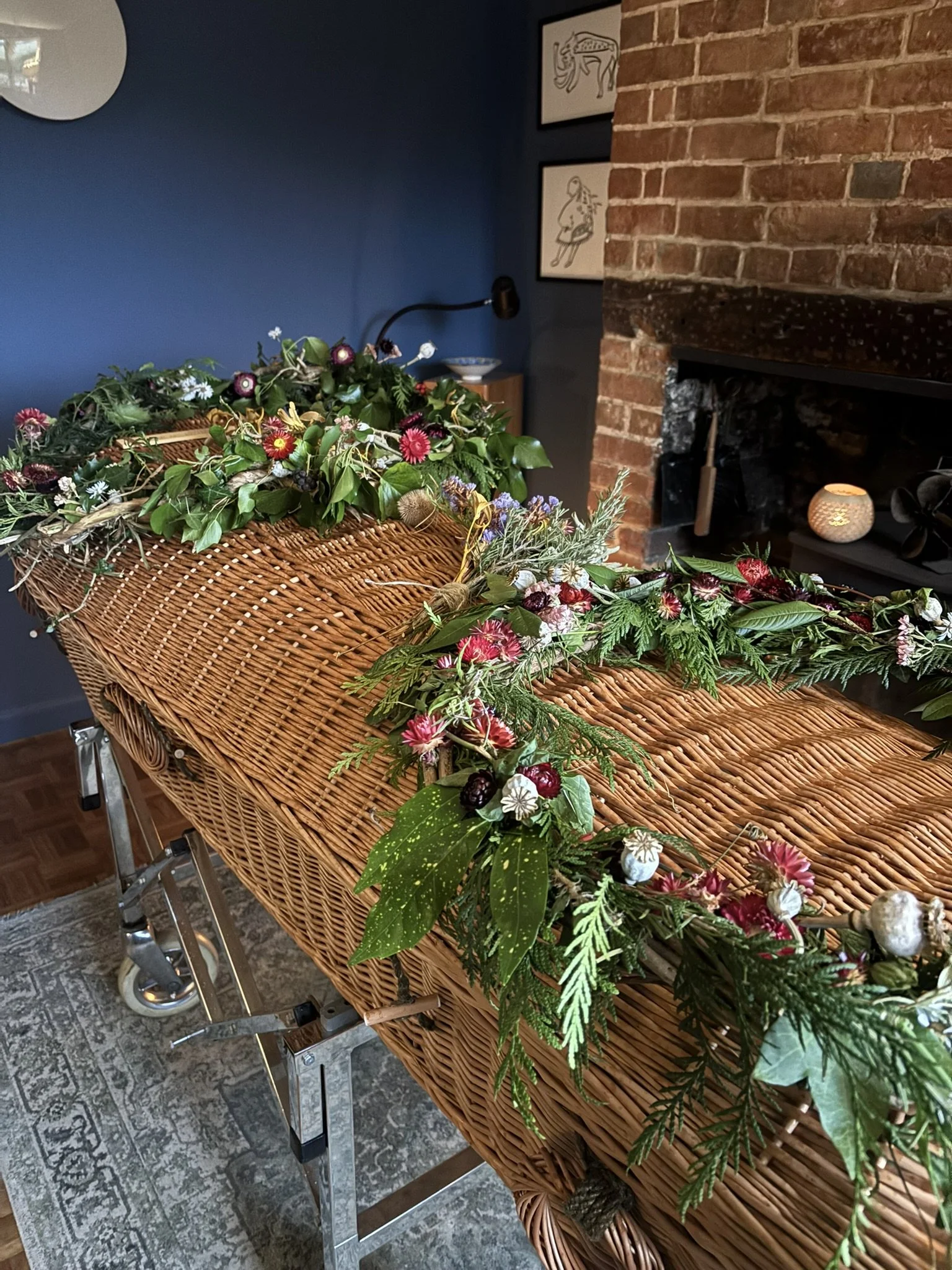
Hand Made Funerals
Funerals shaped by hand, held by community, and rooted in place, where care for the dead is carried by those who loved them. Grief, gratitude, story, and beauty woven together.
-
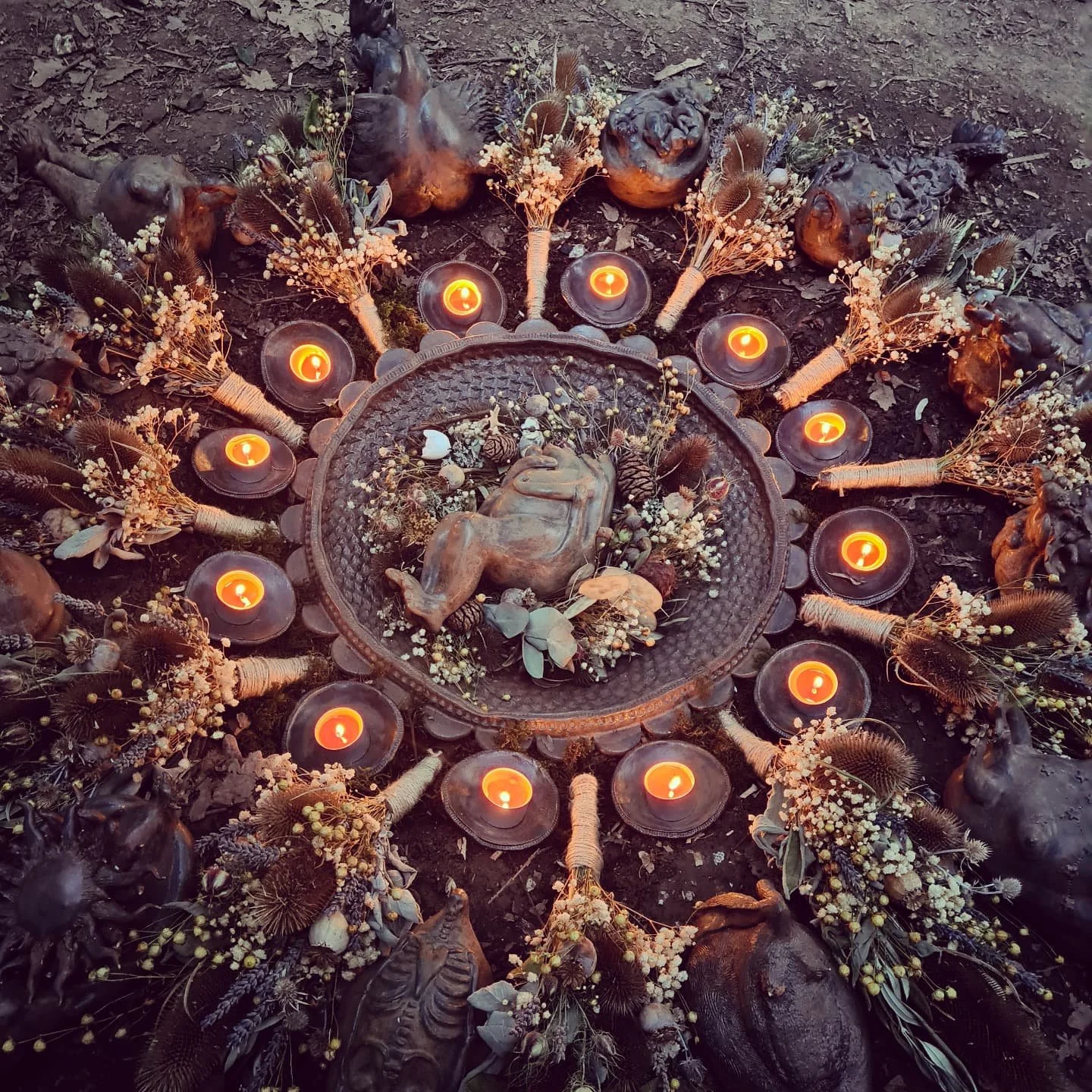
Grief Retreats
Held time for tending sorrow, nourishment, and the slow gathering of oneself, with simple home-grown food, wood-fired saunas, gentle company, and rituals shaped by the land.